In today’s digital age, the way we work has changed—especially in fields like radiology, where technology allows specialists to read and interpret images from anywhere in the country. While this remote model of care has made it easier to bring expertise to underserved and rural communities, it’s also introduced new leadership challenges. Building and maintaining trust within a team is no longer about face-to-face interaction in a hospital corridor or daily huddles in a shared reading room. It requires intention, empathy, and a modern approach to leadership.
Remote radiology is here to stay. But to make it work well—for doctors, for hospitals, and for patients—leaders need to rethink how they show up. Trust is no longer assumed; it must be earned and maintained through consistent presence, purposeful communication, and cultural awareness. Organizations like The Radiology Group have embraced this reality, creating leadership structures that keep teams connected, motivated, and aligned, even when physically apart.
The Shift to Remote Radiology and What It Means for Leadership
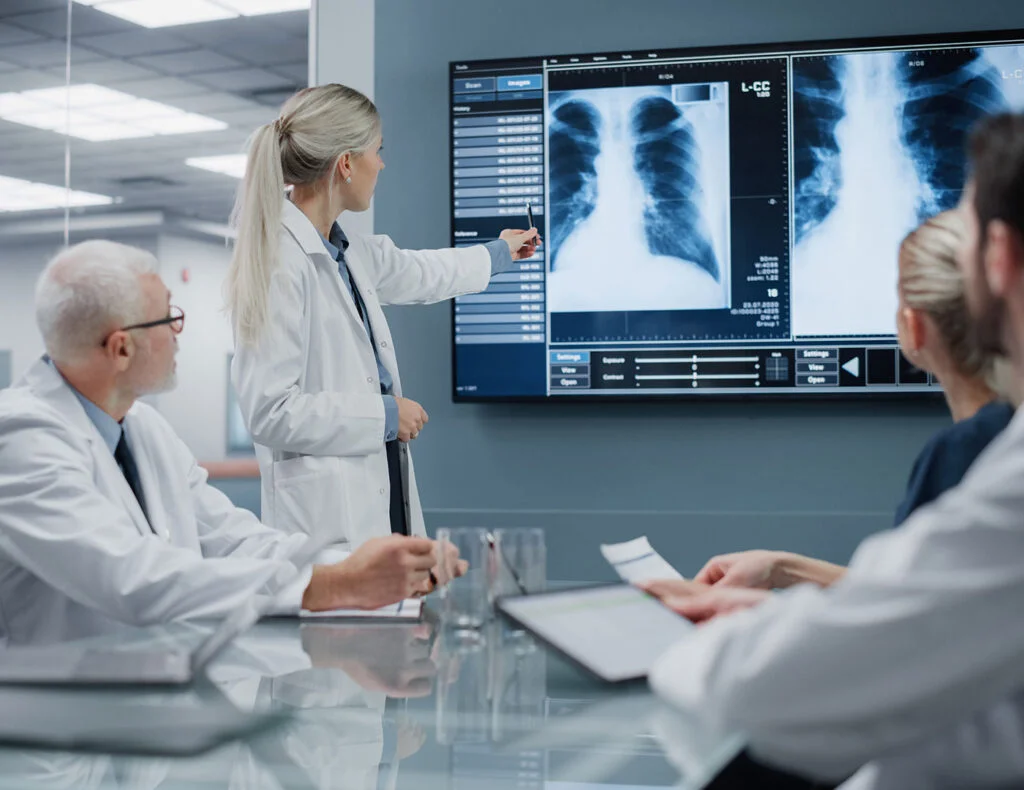
The shift to remote radiology has been both a technological and cultural evolution. Years ago, a radiologist had to be physically present in a hospital to interpret imaging studies. Today, with advanced PACS systems, secure high-speed networks, and robust imaging software, radiologists can review cases from home offices, rural workstations, or even across state lines. This has enabled coverage of hospitals that once struggled to attract subspecialists, especially in rural areas.
But this shift has come with a catch. Radiologists may now work in isolation, no longer engaging in the day-to-day interactions that once fostered camaraderie, mentorship, and shared problem-solving. Leadership can begin to feel distant or disconnected, and radiologists may feel like they are operating as individual units rather than as part of a cohesive team.
When leaders are not present—physically or emotionally—trust begins to erode. That’s when communication falters, misunderstandings grow, and morale begins to slip. In a specialty like radiology, where decisions must be accurate, timely, and collaborative, this kind of erosion can impact more than just team culture. It can influence patient care.
Leadership in a Distributed Model: It’s About Being Present, Even When Remote
Effective leadership in a remote radiology team starts with being present—digitally, emotionally, and professionally. Being present doesn’t require a leader to be online 24/7 or micromanaging every case. Instead, it means being responsive, consistent, and accessible. Team members need to know they can reach out, that their concerns will be heard, and that leadership understands the unique stressors of remote clinical work.
At The Radiology Group, leadership presence is built through structured communication systems and a culture of availability. Weekly check-ins, accessible messaging platforms, and open feedback channels ensure that radiologists don’t feel like they’re working in a vacuum. When leadership takes the time to ask how people are doing—not just how many studies they’ve read—it sends a clear message: people matter here.
This kind of presence also means celebrating wins, recognizing hard work, and showing appreciation in visible ways. A quick message of thanks, a public acknowledgment of excellent work, or simply checking in during a tough week can go a long way in building a sense of trust and loyalty.
Purpose as a Unifying Force
One of the most powerful tools remote leaders have is purpose. When people are united around a common goal, the need for constant oversight fades. They become intrinsically motivated, knowing that their work matters not just to a spreadsheet, but to a mission.
Radiologists in rural and underserved communities often operate with a deep sense of purpose. They know that their reads can be the difference between early diagnosis and delayed care. Leadership in this space must continually reinforce that mission and connect each team member’s work to the bigger picture.
The Radiology Group was founded with the goal of bringing high-quality radiology services to rural hospitals—places often overlooked or deprioritized by larger healthcare systems. By staying true to this mission and reminding their team why they do what they do, they’ve built a sense of pride and purpose that helps maintain trust and engagement, even across physical distance.
Communication: The Lifeline of Remote Trust
Without casual hallway conversations or lunchroom chats, remote teams rely heavily on structured communication. But effective communication in remote leadership isn’t just about frequency—it’s about tone, transparency, and consistency.
Leaders should be clear about expectations, but also flexible in how those expectations are met. They should share updates regularly, not just about performance metrics, but about company goals, challenges, and successes. When team members feel informed, they’re more likely to feel included—and trust that leadership is steering the ship with clarity.
In organizations like The Radiology Group, technology plays a big role in making this happen. The use of secure, HIPAA-compliant messaging tools allows for fast and direct communication between radiologists and leadership. But the platform is only half the equation. What matters just as much is the culture of openness and approachability that leadership fosters through those channels.
Trust Is Built in the Small Moments
Remote leadership is about more than big gestures or grand strategy. Trust is built in the small, daily choices leaders make: responding to a question promptly, listening without judgment, admitting when they don’t have all the answers, or simply remembering to ask about someone’s family or weekend.
These small acts of presence add up. They create a sense of psychological safety—where team members feel they can be themselves, speak up, and take risks without fear of embarrassment or retaliation. That safety is foundational to trust, especially in high-stakes environments like radiology.
Leading with Purpose and Presence
As more radiology practices embrace a remote-first model, leadership must evolve. Old models built on proximity no longer work. What’s needed now is a model built on empathy, visibility, and intentional communication.
Organizations that get this right—like The Radiology Group—aren’t just building efficient systems. They’re building communities. Communities where radiologists feel connected to each other, committed to a shared mission, and supported by leadership that shows up, listens, and leads with heart.
The future of radiology is undoubtedly remote, but that doesn’t mean it has to feel distant. With purpose and presence, remote leadership can be just as powerful—if not more so—than anything that came before it
Did you find this helpful? Check out our other helpful articles on our website.
Read Also
- Can Outsourced Telepsychiatry Help Healthcare Organizations Keep Pace With Modern Mental Health Screening?
 Mental healthcare is changing quickly, but many hospitals, clinics, schools, correctional facilities, and community health organizations do not have enough psychiatric professionals available to turn new screening approaches into timely clinical care. Outsourced telepsychiatry offers one way to close that gap. FasPsych, for example, connects healthcare organizations with psychiatrists, psychiatric nurse practitioners, and other behavioral… Read more: Can Outsourced Telepsychiatry Help Healthcare Organizations Keep Pace With Modern Mental Health Screening?
 - Five operational checks for choking readiness in healthcare facilitiesA facility can have a choking poster on every wall and still be unprepared. Preparedness shows up when someone can recognize the emergency, call the right response, bring the right people and supplies to the room, and hand over clear information without losing time. That test belongs in operations as well as clinical education. The… Read more: Five operational checks for choking readiness in healthcare facilities
- Understanding the Demand for Correctional Healthcare ProfessionalsHave you ever wondered who cares for people when they get sick inside a prison? Many people do not realize that jails and prisons need skilled medical teams every single day. By reading this guide, you will learn why these important jobs are growing fast and how you can join this rewarding career field. Caring… Read more: Understanding the Demand for Correctional Healthcare Professionals
- Patient Engagement and Pharmaceutical Support Services: Building a Better Patient JourneyPatients rarely experience healthcare as a simple, linear process. They may need to understand a diagnosis, determine whether they qualify for a clinical trial, gather medical records, navigate insurance requirements, arrange transportation, learn how to use a medication, and stay engaged with treatment for months or years. Serva Health is one example of a specialist… Read more: Patient Engagement and Pharmaceutical Support Services: Building a Better Patient Journey
- Industrial Container Recycling and Waste Management Services: A Practical Guide for BusinessesIndustrial container recycling is an essential part of responsible waste management for manufacturers, warehouses, laboratories, automotive businesses, chemical companies, food processors, and other organizations that regularly handle bulk materials. A strong example is Kelly Drums, a Mid-Atlantic provider of reconditioned drums and comprehensive container management solutions. The company specializes in the pickup, recycling, reconditioning, and… Read more: Industrial Container Recycling and Waste Management Services: A Practical Guide for Businesses
- BCBA & RBT Salary by State 2026 | Behavior Analyst PayPay in applied behavior analysis is harder to pin down than in almost any other healthcare field. Two professionals with the same certification can earn $40,000 apart for no reason other than the state line between them. So before you accept an offer, ask for a raise, or relocate for a bigger paycheck, it helps… Read more: BCBA & RBT Salary by State 2026 | Behavior Analyst Pay
- Top Strategies for Integrating Technology into Healthcare TrainingHave you ever wondered how healthcare workers learn new skills as medicine keeps changing? Today, new tools make learning easier, faster, and more flexible for many healthcare workers. Technology in healthcare training helps people learn from almost anywhere and practice skills in safe places. These tools can make learning more fun and easier to remember.… Read more: Top Strategies for Integrating Technology into Healthcare Training
- Why the Future of Healthcare Administration is Cloud-NativeThe operational demands placed on modern healthcare administrators have officially outpaced the capabilities of traditional IT infrastructure. While clinical medicine continues to advance at breakneck speed, the back-office systems required to support it often remain painfully stagnant. Today’s insurers, Third-Party Administrators (TPAs), and provider networks are forced to navigate an avalanche of daily claims, aggressive… Read more: Why the Future of Healthcare Administration is Cloud-Native